Floral Line Art Bundle Wildflowers: A Designer's Review
When I first opened the Floral Line Art Bundle Wildflowers, my initial reaction was one of relief. In a market saturated with overly dense, cluttered machine embroidery designs that often look like a tangled mess after stitching, finding something that embraces negative space is a breath of fresh air. As someone who has spent years turning digital assets into tangible handmade products for clients and craft fairs, I know that the difference between a design that sells and one that sits in the drawer often comes down to line weight and simplicity.
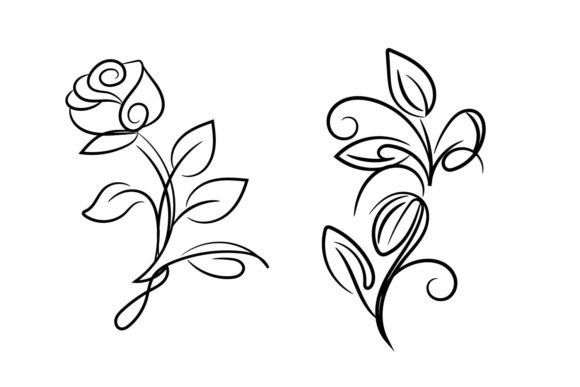
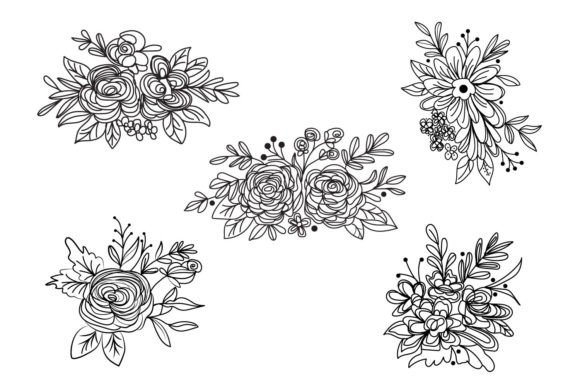
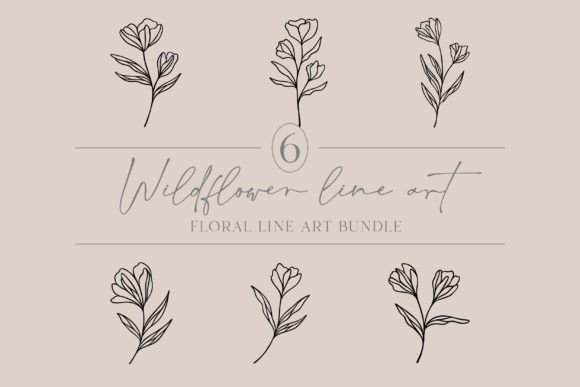
This bundle arrives as a set of six original wildflower line art pieces provided as high-quality vector files. The visual personality here is elegant, airy, and distinctly modern. Unlike traditional floral motifs that rely on heavy satin stitches to create volume, this design leans into the beauty of the outline. It feels like it belongs in a boutique nursery or on a curated custom apparel piece rather than a mass-produced discount item. The mood is organic yet refined, suggesting a product that values craftsmanship over complexity.
From Vector to Thread: The Real-World Stitch Test
The true test of any embroidery file isn't how it looks on a screen, but how it behaves under the needle. I decided to put the Floral Line Art Bundle Wildflowers through a practical scenario: creating a custom embroidered tote bag for a local artisan market. My goal was to produce a clean, professional-looking accessory that would appeal to customers looking for sustainable, stylish goods.
Because these are line art designs, they translate beautifully to running stitch and delicate satin work. When I stitched them onto a sturdy canvas tote, the lack of dense fill areas meant the fabric remained soft and pliable. There was no puckering, which is a common complaint when using older, denser designs on lighter fabrics. The lines were crisp, capturing the delicate curves of the petals without losing definition. For an Etsy seller or small shop owner, this clarity is crucial; it elevates the perceived value of the finished product instantly.
I also tested the designs on a sweatshirt for a personalized gift project. Here, the line art style shines because it doesn't add unnecessary bulk to the garment. A heavy, blocky flower can make a hoodie feel stiff and uncomfortable, but the Floral Line Art Bundle Wildflowers drapes naturally. It creates a subtle texture that invites touch rather than overwhelming the eye. This makes it an excellent choice for apparel decorators targeting a demographic that prefers understated elegance.
Navigating Fabric Texture and Stability
While the design performs well on stable fabrics, there are specific scenarios where you need to exercise caution. If you are working with textured fabrics like chunky knits or bouclé, the fine lines might get lost in the weave. Similarly, thin or stretchy fabrics require a very careful approach to stabilizer selection. Without adequate backing, even a simple line design can distort, especially if you are using a tight stitch density.
For projects involving curved surfaces, such as caps or fitted hats, the design requires precise digitizing adjustments to ensure the lines follow the curvature correctly. While the vector files provide flexibility, the final result depends heavily on your ability to hoop the material properly. I found that using a cut-away stabilizer worked best for maintaining the shape of the flowers on structured items like aprons or pillow covers. However, for delicate items like baby clothes, a tear-away might be sufficient, provided the fabric is stable enough to handle the tension.
It is also worth noting that dark fabrics present a unique challenge. Because these are line art designs, they rely on contrast. If you choose a thread color that blends too closely with the fabric, the intricate details of the wildflowers will vanish. High contrast is key here. I recommend testing thread colors against the actual fabric swatch before committing to a large production run. This step ensures that the finished product retains its intended visual impact.
Strategic Use Cases for Your Craft Business
As a reviewer, I see immense potential for this bundle across various niches. The versatility of the Floral Line Art Bundle Wildflowers allows it to fit seamlessly into diverse product lines. For those selling personalized gifts, these designs are perfect for wedding favors, bridal shower gifts, or holiday stockings. The minimalist aesthetic appeals to a wide audience, from young couples to seasoned homeowners.
- Tote Bags and Market Bags: The lightweight nature of the design prevents the bag from becoming top-heavy, making it ideal for everyday carry.
- Kitchen Towels and Aprons: These designs add a touch of charm to functional items without feeling out of place in a modern kitchen.
- Baby Items: Soft, gentle lines are perfect for onesies, burp cloths, and nursery wall hangings, avoiding the harshness of thick stitches.
- Embellished Patches: With proper backing, these could be converted into iron-on patches for denim jackets or backpacks.
However, not every application is suitable. Small hoop sizes can be tricky with detailed line work. If the design elements are too close together, the needle may struggle to navigate tight corners, leading to skipped stitches or thread breaks. Additionally, designs requiring frequent washing, such as athletic wear, should be approached with care. While the line art is durable, the longevity of the threads depends on the quality of the yarn used and the stability of the fabric.
Visual Appeal and Brand Consistency
In the world of commercial embroidery, consistency is everything. Customers trust brands that deliver uniform quality. The Floral Line Art Bundle Wildflowers offers a cohesive look across all six designs, allowing you to build a recognizable brand identity. Whether you are creating a series of matching pillows or a collection of seasonal greeting cards, the unified style ensures that your products look like they belong together.
This consistency extends to digital marketing as well. When creating printable mockups for social media or online listings, the clean lines of the design photograph exceptionally well. They stand out against both light and dark backgrounds, making your craft business visuals pop. Buyers are drawn to clarity; a sharp, well-executed image suggests a high-quality product, increasing the likelihood of a sale.
Practical Notes for the Embroidery Designer
Before you dive into production, there are a few technical steps every designer should take. First and foremost, always test the design on scrap fabric that matches your final project material. This simple step can save you hours of frustration and wasted supplies. Pay close attention to the stitch density; while the vector files are high quality, the conversion to embroidery format must maintain the integrity of the lines.
Check your hoop size carefully. Ensure that the design fits within the boundaries of your machine's capabilities without hitting the frame. If you are planning to sell finished items, confirm the licensing terms explicitly. The description mentions the files are perfect for digital and printed projects, but commercial rights for physical goods can vary. Verify whether you are allowed to sell the embroidered items or if the license is limited to personal use.
Finally, inspect the small details. Run stitch areas and tiny corners can sometimes suffer from thread breaks or misalignment. If you notice any issues, consider adjusting the thread tension or changing the needle type. Using a sharp needle for finer lines can make a significant difference in the final outcome. By taking these precautions, you ensure that the Floral Line Art Bundle Wildflowers delivers the professional results your customers expect.
Ultimately, this bundle is a smart addition to any designer's library. It balances artistic flair with practical utility, offering a solution that works for both hobbyists and serious entrepreneurs. When executed with care, it transforms simple lines into memorable, wearable art.