Floral Ornaments Collection: A Designer's Real-World Review
When I first opened the Floral Ornaments Collection, I wasn't just looking at a file; I was visualizing a finished product on a shelf in my own shop. As someone who has spent years stitching custom apparel and creating digital assets for clients, I know that the difference between a good design and a great one often comes down to how it behaves under the needle. This collection falls squarely into the Crafts category, but its value lies in its potential as high-end Graphics for physical goods.
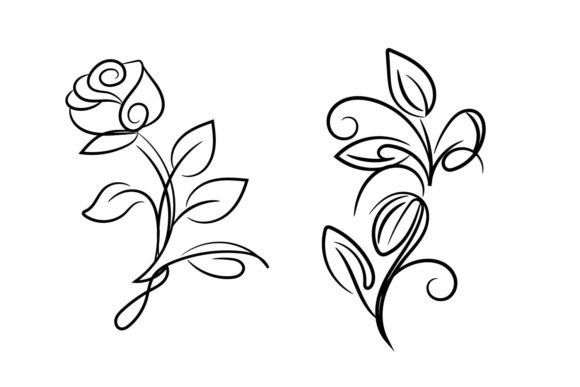
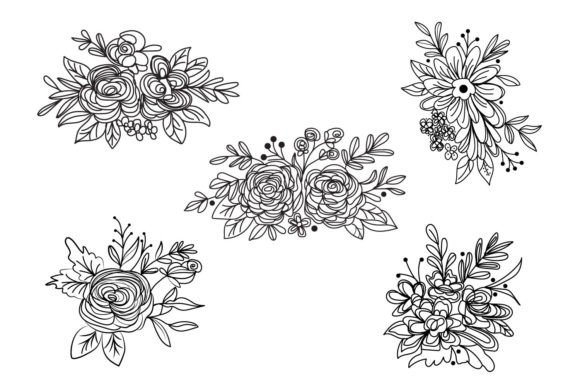
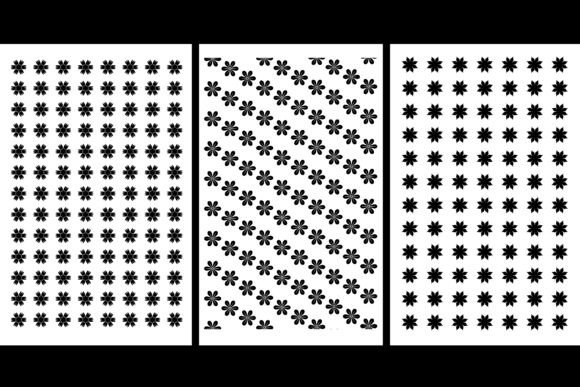
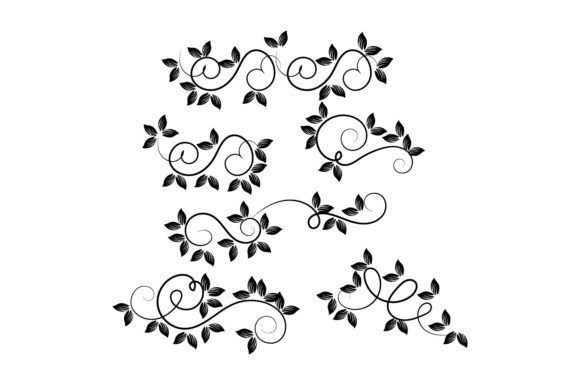
The immediate impression of the Floral Ornaments Collection is one of timeless elegance mixed with modern versatility. The shapes feel balanced, avoiding the cluttered look that often plagues ornamental designs. There is a clear sense of rhythm in the layout, which suggests that this isn't just a random assortment of flowers but a cohesive set meant to create a specific mood. It feels like something you would see on a boutique wedding invitation or a high-end nursery pillow, rather than a generic mass-produced item. For any designer evaluating this for real project use, the first question is always: does this translate well from screen to fabric?
Bringing the Design to Life: A Real Project Scenario
Let's imagine a practical scenario. You are preparing for the upcoming holiday season, and a client requests a personalized gift line for their small business. They need embroidered aprons for a local bakery and matching tote bags for customers. You decide to test the Floral Ornaments Collection on these items. The design's organic flow works beautifully on the chest area of an apron, framing the brand logo without overpowering it. On a canvas tote bag, the ornaments can be spaced out to create a border effect that feels intentional and expensive.
In this context, the Floral Ornaments Collection elevates the perceived value of the handmade product. When a customer receives a bag with intricate, clean embroidery, they immediately associate that quality with the brand itself. The design doesn't scream for attention; instead, it whispers sophistication. This subtle confidence is exactly what Etsy sellers and small shop owners need to justify premium pricing on their custom apparel and accessories.
However, moving from the digital mockup to the actual stitch requires careful planning. If you are planning to use this for embroidery projects on stretchy fabrics like sweatshirts, you must consider how the stitch density interacts with the material. The floral elements might require a slightly larger hoop size to ensure the curves lay flat without puckering. If the design includes dense fill stitches, testing on scrap fabric becomes non-negotiable. You want to ensure that the thread colors chosen provide enough contrast against the fabric texture so the details remain visible after washing.
Navigating Technical Challenges
While the Floral Ornaments Collection is versatile, there are specific situations where caution is required. Small hoop sizes can be tricky when dealing with detailed corners or tiny lettering if the design includes text. If your machine struggles with tight radii, the satin stitch edges might not catch perfectly, leading to a rough finish. Similarly, textured fabrics like terry cloth or heavy denim can hide the finer details of the ornamentation. In these cases, the design might lose its crispness, making it less effective for commercial embroidery intended for close-up viewing.
Dark fabrics present another challenge. Unless you plan to use a high-density underlay or specific thread colors, the lighter floral elements might get lost in the background. For baby embroidery or delicate items like tea towels, the design's scale needs to be carefully considered. A pattern that looks majestic on a large banner could appear overwhelming on a onesie. Always review the design assets in black and white mockups to check the contrast before committing to a full production run.
Technical Considerations for the Modern Maker
As a reviewer, I also look at the usability of the files themselves. The product description indicates that you will receive a compressed 1 zipped folder containing AI, EPS, PNG, SVG, and PDF files. This variety is excellent for flexibility. The SVG file and EPS File allow for easy resizing and manipulation in vector software, which is crucial for creating printable mockups for marketing materials. The PNG file offers a quick preview option, while the PDF file ensures compatibility with standard design workflows.
However, it is vital to remember that having the file formats is only half the battle. You must ensure your machine has the ability to use these formats and that your embroidery digitizing software can interpret them correctly. Before starting a custom apparel job, confirm the stitch density settings within your software. If the design is too dense for the fabric type, you risk thread breaks or a stiff, uncomfortable final product. Using the proper stabilizer is equally important to maintain the integrity of the running stitch and fill stitch areas.
For those selling digital embroidery files or offering services, understanding the licensing terms is paramount. While the collection offers a wide range of uses, you should always verify whether you have the right to sell finished items created with these designs. Some licenses restrict commercial use, while others allow for unlimited production. This distinction is critical for creative entrepreneurs building a sustainable craft business.
Why Visual Appeal Matters in Embroidery
The success of any embroidery design ultimately depends on its ability to convey emotion and quality. The Floral Ornaments Collection excels here because it avoids the "cookie-cutter" look that many generic designs suffer from. The visual personality of the ornaments suggests care and attention to detail, traits that customers highly value in personalized gifts and wedding gifts. When a buyer sees a well-executed floral pattern on a pillow cover or a kitchen towel, they are more likely to trust the maker's skill.
This trust translates directly into brand consistency. If you are building a boutique branding identity, using a cohesive set like this helps establish a recognizable style. Whether you are creating holiday embroidery collections or seasonal merchandise, the design's adaptability allows it to fit seamlessly into various themes. The finished product will look professional, reducing the likelihood of returns due to poor execution.
Final Thoughts for the Practicing Designer
Before you download and start stitching, take a moment to plan your approach. Test the design on scrap fabric first to gauge the thread colors and fabric texture interaction. Check the hoop size requirements and inspect small details to ensure nothing gets lost in translation. Compare light and dark fabric backgrounds to see how the design performs in different lighting conditions. Most importantly, confirm whether the design works for both personal and commercial projects according to the license provided.
The Floral Ornaments Collection is more than just a set of images; it is a tool for creating tangible value. For apparel decorators, digital product sellers, and makers alike, it offers a reliable foundation for creating beautiful, functional art. By approaching the project with a critical eye and a focus on technical precision, you can transform these digital patterns into stunning physical realities. Whether it ends up on a patch, a sweatshirt, or a cap, the result will reflect the care you put into the process.
If you encounter any specific compatibility issues or have questions about the file formats, the prompt advises you to contact the creator. This open line of communication is a sign of a responsible vendor. Ultimately, the goal is to create work that stands out in a crowded market. With the right preparation, the Floral Ornaments Collection can be the centerpiece of your next successful embroidery project.