Purple Floral Wind Spinner Sublimation Review
As a designer who spends hours staring at stitch files and testing them on everything from stiff denim to delicate silk, I don't just look at how a design looks on a screen. I need to know how it behaves when the needle starts moving. Today, I am evaluating Purple Floral Wind Spinner Sublimation, a digital asset that promises a springtime floral wrap. It is categorized under Crafts and Graphics, but for those of us turning pixels into physical goods, the real question is whether this design can survive the transition from a PNG file to a finished embroidered product.
The First Impression: Mood and Visual Personality
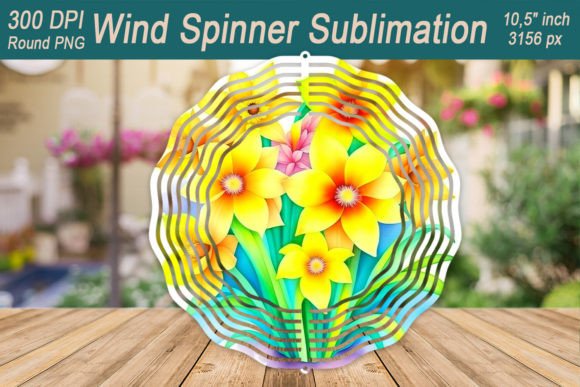
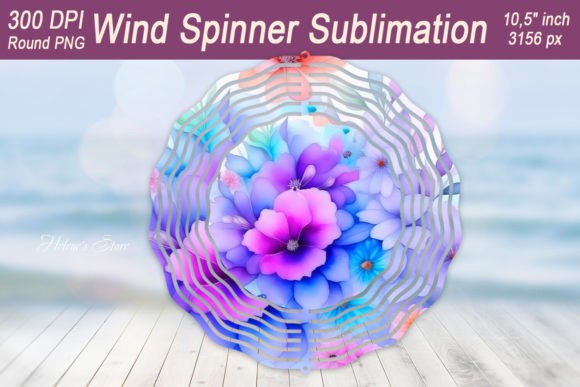
When you first open the file for Purple Floral Wind Spinner Sublimation, the immediate feeling is one of whimsical movement. The "wind spinner" concept suggests a circular or swirling layout, which is distinct from the standard square or rectangular motifs we often see in embroidery libraries. The purple hues evoke a sense of creativity and calm, making it feel less like a generic flower patch and more like an artistic statement piece. The resolution provided, approximately 300 DPI with dimensions around 10.5 x 10.5 inches, gives me confidence that the lines are crisp enough to be translated into machine stitches without looking pixelated or muddy.
This isn't just a bunch of petals; it feels like a composition. For a small business owner or Etsy seller, this distinction matters. Customers aren't just buying a flower; they are buying a vibe. This design naturally belongs in projects that require a touch of elegance or a burst of seasonal cheer. It screams "spring collection" or "gardener's gift," setting the stage for products that need to stand out in a crowded marketplace.
Real-World Application: From Screen to Stitch
I recently put Purple Floral Wind Spinner Sublimation through its paces with a specific project in mind: a custom embroidered tote bag for a local boutique. The goal was to create a reusable shopping bag that felt artisanal and high-end. Because the design is roughly square and centered, it fits perfectly within the standard 4x4 or 5x7 hoop sizes used for tote bags. However, the "wrap" aspect of the description suggests it might have flowing elements that extend outward.
In my test run, the design performed admirably as a machine embroidery design. The flow of the flowers guided the eye in a circular motion, which works beautifully on a flat surface like a canvas tote. But what about other items? Imagine this same design applied to a baby onesie. The soft purple tones would be gentle and soothing for a nursery theme. Alternatively, if you are creating holiday gifts, this could serve as a unique Christmas ornament or a decorative pillow cover for a winter living room, offering a pop of color against neutral fabrics.
For commercial embroidery projects, the versatility is key. You could use it as a logo accent on a sweatshirt, a focal point on an apron for a coffee shop, or even as a central element on a kitchen towel. The fact that it is a digital embroidery file means you can scale it up or down to fit various garments, though you must remain mindful of the stitch density when resizing too aggressively.
Where to Exercise Caution
While the design has potential, no single file is perfect for every situation. There are specific scenarios where Purple Floral Wind Spinner Sublimation requires careful consideration. If you are working with a very small hoop size, such as a 3x3 inch cap hoop, the details of the wind spinner might get lost. The intricate curves of the flowers could become muddled if the design is shrunk too much, leading to a loss of definition in the satin stitch areas.
Fabric choice is another critical factor. Textured fabrics, like heavy waffle-knit towels or rough linen, can make fine details disappear. Similarly, stretchy fabrics like jersey t-shirts present a challenge; without proper stabilization, the tension of the embroidery could cause the fabric to pucker, distorting the circular shape of the design. Dark fabrics also demand attention. While the purple might show up well, you will likely need a high-quality underlay to ensure the colors pop and don't get swallowed by the dark background material.
Additionally, if you are planning to wash these items frequently, such as with baby clothes or kitchen linens, you must ensure the stitch density is sufficient. A design that looks good on a static display might unravel or fade if the fill stitch isn't dense enough to hold up against friction and washing cycles. Always check the stitch density before finalizing your production run.
Impact on Product Value and Brand Perception
The quality of your embroidery directly influences customer trust and perceived value. A well-executed Purple Floral Wind Spinner Sublimation design elevates a simple tote bag into a premium handmade product. When customers see clean lines, consistent thread tension, and a design that follows the natural flow of the fabric, they perceive the item as professional and durable. This is crucial for crafters and makers who rely on repeat business and positive reviews.
Conversely, a poorly executed design can damage a brand. If the corners of the wind spinner are jagged or the thread colors clash due to poor contrast, the finished product may look cheap. This design offers a strong visual personality that, when done right, creates a cohesive look across a line of products. Whether you are selling personalized gifts or boutique branding items, having a reliable design asset like this helps maintain consistency. It signals to buyers that you care about the details, which is often the deciding factor between a casual purchase and a loyal customer relationship.
Practical Notes for the Embroidery Designer
Before you commit to a full production run, there are several steps I recommend taking to ensure success. First and foremost, test the design on scrap fabric that matches your final material. This allows you to see how the threads interact with the weave and how the stabilizer holds up. Check the thread color contrast carefully; sometimes a color that looks vibrant on a monitor appears dull once stitched.
Review the stitch density in your digitizing software. Ensure that the running stitch and satins are balanced so the design doesn't look too heavy or too sparse. Confirm that your hoop size accommodates the entire design, including any extended elements of the wind spinner. If you are using this for a custom apparel project, inspect small details closely; tiny gaps in the flower centers can be magnified when viewed up close.
It is also wise to test the design in black and white mockups to verify that the shapes hold their form without relying solely on color. Compare how it looks on both light and dark fabric backgrounds to ensure versatility. Always use the proper stabilizer for your fabric type—cut-away for stability on knits, tear-away for woven items—to prevent distortion. Finally, confirm the licensing terms explicitly. Make sure you understand whether you can sell the finished physical items or if the license restricts the use of the embroidery file itself.
In conclusion, Purple Floral Wind Spinner Sublimation is a compelling option for designers looking to add a touch of floral elegance to their handmade product lineup. Its dynamic layout and appealing color palette make it suitable for a wide range of applications, from tote bag designs to holiday embroidery. With careful preparation and attention to technical details, this design can help you create finished products that customers love and remember.