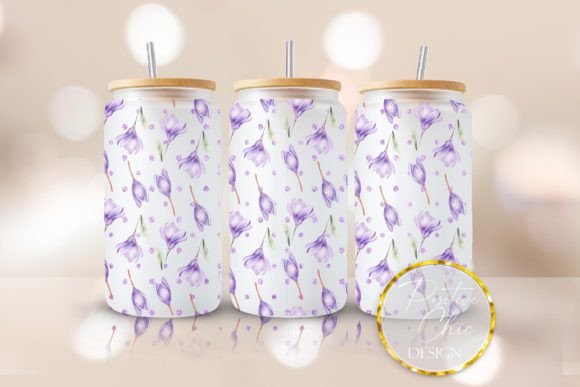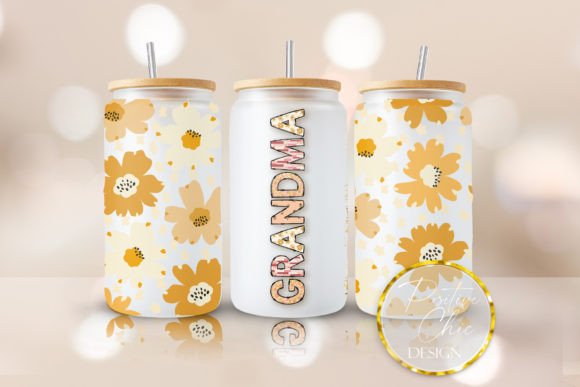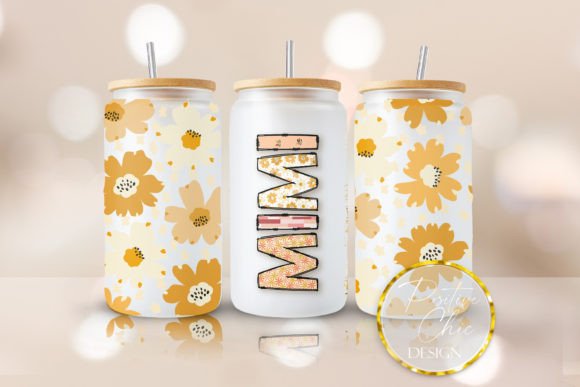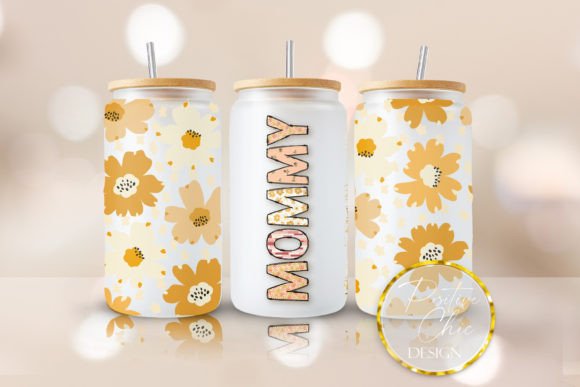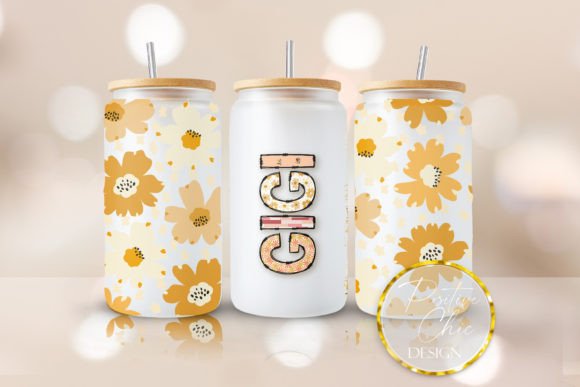
Gigi Libbey Can Glass Floral UVDTF Wrap Review
As a designer who spends more time at the embroidery machine than anywhere else, I have learned to be skeptical of every new design asset that hits the market. We all know the feeling: you see a beautiful image online, click buy, and then realize the file is either too complex for your machine or simply doesn't translate well when stitched into thread. That is why I decided to put the Gigi Libbey Can Glass Floral UVDTF Wrap through its paces before committing it to any client project or commercial inventory. This isn't just about looking at a pretty picture; it is about understanding how that floral aesthetic behaves when converted from a digital graphic into a tangible, stitched reality.
The first thing that strikes me about this design is its inherent versatility within the Crafts and Graphics categories. The name suggests a specific application for a 16 oz glass tumbler, but as an experienced decorator, my mind immediately jumps to how this layout could function on other substrates. The floral theme evokes a sense of freshness and domestic warmth. It feels right at home in a nursery, on a kitchen towel, or perhaps as a statement piece on a tote bag. The visual personality is soft yet structured, which is exactly what we need when trying to balance artistic flair with the technical limitations of machine embroidery.
Real-World Application: From Digital File to Finished Product
Let's imagine a real scenario. I am preparing for a local craft fair next month, and I want to create a cohesive line of handmade products featuring this specific design. My goal is to produce a set of custom embroidered aprons for a boutique coffee shop client, along with some matching tote bags for their customers. If I were to use the Gigi Libbey Can Glass Floral UVDTF Wrap for these items, the workflow would look very different than if I were printing sublimation transfers.
In this context, the design acts as a robust foundation for a machine embroidery design. The floral elements are likely composed of various stitch types, including satin stitch for the outlines and fill stitch for the petals. When I test this on a scrap piece of cotton twill for the apron, the density of the stitches needs to hold up against the friction of daily use. A good embroidery file should not only look good on screen but also feel substantial on the fabric. If the design is too sparse, it might look cheap after washing. If it is too dense, it could cause the fabric to pucker around the edges, ruining the professional look of the finished product.
I also considered using this design for personalized gifts, such as baby onesies or pillow covers. The floral motif is timeless, making it a safe choice for holiday embroidery projects like Christmas stockings or Easter baskets. However, the transition from a flat digital image to a 3D stitched object requires careful planning. For instance, if I plan to sell this as a digital embroidery file on Etsy, I need to ensure that the resolution is high enough for the customer to resize without losing detail. The Gigi Libbey Can Glass Floral UVDTF Wrap seems to offer a clean composition that could work well in both small and large formats, provided the user adjusts the stitch density appropriately.
Navigating Technical Challenges and Fabric Choices
While the design has strong potential, there are specific areas where a designer must exercise caution. Not every surface is suitable for every design. If you are thinking about applying this to a curved surface like a cap or a hat, you need to consider how the floral pattern will distort. Embroidering on a curved surface often stretches the design, so checking the hoop size relative to the garment shape is critical. A design that looks perfect on a flat sample might end up misaligned on a rounded crown.
Another major factor is the fabric texture. Thin fabrics or stretchy materials, such as jersey knits used for t-shirt embroidery, require special attention. Without the proper stabilizer, the tension of the threads can pull the fabric out of shape, creating unsightly wrinkles. The Gigi Libbey Can Glass Floral UVDTF Wrap features intricate details that might get lost if the underlying fabric shifts during stitching. For best results, I recommend testing the design on a heavy-weight cotton or linen blend, which provides the stability needed for detailed applique designs or dense running stitch work.
We also have to talk about color contrast. The effectiveness of any embroidery project relies heavily on the relationship between the thread colors and the background fabric. On dark fabric, the lighter floral elements might disappear unless you use a high-density underlay or a contrasting border. Conversely, on light fabric, dark threads can sometimes appear too harsh. Before finalizing a batch for a small business merchandise run, I always advise designers to test their thread colors on the actual fabric they intend to use. This step ensures that the visual appeal remains consistent across all variations of the product.
Design Judgment and Commercial Viability
For those of you running a craft business or selling on platforms like Etsy, the question of value is paramount. Does this design elevate the perceived worth of the item? In my opinion, the Gigi Libbey Can Glass Floral UVDTF Wrap does a solid job of adding a touch of elegance without being overly complicated. It strikes a balance that appeals to a broad audience, from hobbyists making gifts for family to professional decorators fulfilling corporate orders.
However, clarity is key. If the design includes tiny lettering or minute decorative accents, these elements may not render well in smaller hoop sizes. I suggest reviewing the design assets closely to identify any fine lines that might break during the stitching process. A broken thread or a missing detail can ruin the brand consistency of a boutique collection. Furthermore, if you are creating a printable mockup to showcase the design to clients, ensure that the digital representation accurately reflects the texture and depth of the actual embroidery.
When considering licensing for commercial embroidery projects, it is vital to verify the terms associated with the Gigi Libbey Can Glass Floral UVDTF Wrap. Some files are intended for personal use only, while others allow for unlimited sales of finished goods. Always confirm whether you can sell the physical items made from this design or if you are restricted to using it for promotional purposes. This due diligence protects your creative entrepreneur status and prevents legal issues down the road.
Practical Tips for the Modern Maker
To get the most out of this design, I recommend starting with a simple test run. Use a scrap piece of the same fabric you plan to use for the final project. Check the stitch density to see if the fabric puckers or if the threads bunch up. Inspect the embroidered patch or tote bag design for any loose ends or skipped stitches. If you notice issues, adjust the machine settings or change the stabilizer type before proceeding with the full production run.
Additionally, consider how the design will age. Products that undergo frequent washing, like kitchen towels or aprons, need durable stitching. A well-executed embroidery project should withstand multiple wash cycles without fading or unraveling. By paying attention to these details, you ensure that your customers receive a high-quality handmade product that stands the test of time.
Ultimately, the Gigi Libbey Can Glass Floral UVDTF Wrap offers a versatile canvas for creative expression. Whether you are designing a sweatshirt embroidery for a holiday gift or a baby embroidery set for a new parent, this design provides a solid starting point. With careful planning, proper technique, and a keen eye for detail, you can transform this digital file into a stunning physical reality that delights customers and elevates your portfolio.