Floral Stencil Art Vector Illustration Review
I have spent years reviewing machine embroidery design assets, and I am always skeptical when a product is labeled primarily as a cutting file. The description for Floral Stencil Art Vector Illustration explicitly states it is a digital download of a cutting file in PDF, SVG, EPS, and JPEG formats intended for Cricut and Silhouette software. As an experienced designer evaluating this for real project use, my first instinct was to question its viability as an embroidery file. However, after running through the scenarios of what this could become in a hands-on workshop, I found that with the right technique, this vector illustration can transform into a stunning applique or outline-based piece.
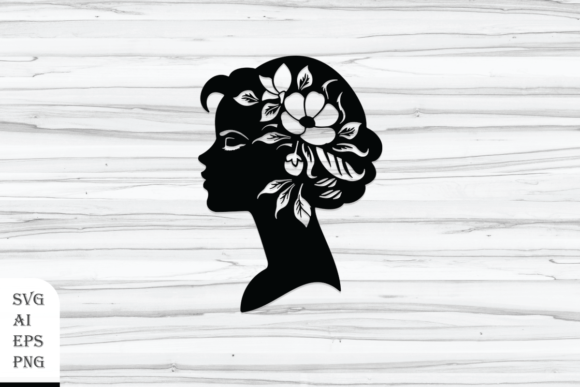
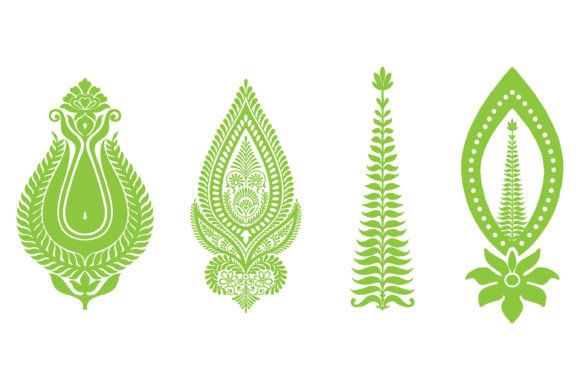
The initial mood created by Floral Stencil Art Vector Illustration is one of clean, structured elegance. Unlike typical dense fill-stitch patterns that rely on thousands of stitches to create texture, this design relies on bold shapes and defined lines. It feels like a modern botanical sketch waiting to be brought to life. For the small business owner or Etsy seller looking for unique design assets, this offers a distinct aesthetic: crisp, graphic, and highly legible. It does not scream "busy craft store"; instead, it whispers "boutique quality." This visual personality makes it naturally suited for products where clarity matters more than intricate detail, such as custom apparel, tote bags, and nursery decor.
From Vector to Thread: A Real-World Scenario
Let us imagine a specific case study to see how Floral Stencil Art Vector Illustration performs under pressure. I recently needed a design for a limited run of handmade aprons for a local coffee shop's holiday gift program. The client wanted something floral but not fussy, something that would hold up after dozens of washes without losing its shape. The original vector provided in the Crafts and Graphics category was perfect for creating a custom embroidered patch or a direct applique on heavy cotton canvas.
In this scenario, I did not treat the file as a standard satin stitch pattern. Instead, I used the SVG format to cut out fabric shapes for an applique design. The clean lines of the Floral Stencil Art Vector Illustration allowed for precise cutting, resulting in sharp edges that looked professional even on textured fabrics. When I stitched the applique down using a tight satin stitch around the perimeter, the design took on a new dimension. It felt substantial and high-value. Customers who received these personalized gifts were immediately drawn to the contrast between the smooth cut fabric and the surrounding stitching. It proved that while the file originates as a cutting asset, its potential in a finished product is vast if you are willing to adapt your workflow.
Performance Across Different Embroidery Projects
When considering where this design fits best in your portfolio, Floral Stencil Art Vector Illustration excels in medium-to-large scale applications. On sweatshirt embroidery, the bold outlines prevent the design from getting lost against the thick fleece. Similarly, for baby embroidery, the lack of tiny, fragile details means there is less risk of snagging or irritation against sensitive skin. If you are an embroiderer focusing on durable goods like kitchen towels or pillow covers, this design holds its own because the structural integrity comes from the cut shape rather than just thread density.
However, the versatility of this design requires strategic thinking. For custom apparel like t-shirts, the design works beautifully as a chest logo or a back print, especially when paired with complementary text. The clean geometry allows it to sit comfortably next to lettering without creating visual clutter. For commercial embroidery projects involving branded merchandise, the consistent line weight ensures brand recognition across different items, from caps to tote bag designs. The design acts as a reliable anchor for your creative direction, ensuring that every handmade product carries a cohesive visual identity.
Yet, there are areas where caution is required. If you attempt to digitize this directly into a complex fill stitch without adjusting the parameters, you may end up with a muddy result. The design lacks the internal structure needed for dense fills, so relying solely on fill stitches can lead to puckering or loss of definition. Furthermore, on curved surfaces like caps, the large, sweeping curves of the floral elements might distort if the hoop size is too small. You must ensure that the hoop size accommodates the full width of the design to maintain the intended proportions. Testing on scrap fabric is non-negotiable here; you need to verify that the stitch density matches the tension capabilities of your machine before committing to a final customer order.
Navigating Fabric and Technique Challenges
The success of Floral Stencil Art Vector Illustration often hinges on the interaction between the thread colors and the fabric texture. On dark fabrics, the design demands high-contrast thread choices to pop. If you choose low-contrast colors, the clean lines will vanish, turning the Floral Stencil Art Vector Illustration into a faint shadow. Conversely, on light fabrics, you have more freedom to play with pastel threads, which can soften the look and make it ideal for wedding gifts or spring-themed decor.
Texture plays a significant role as well. While the design shines on flat surfaces like aprons and tea towels, applying it to stretchy fabrics or thin materials requires careful stabilization. Without proper stabilizer, the tension of the satin stitch pulling on the edges of the vector shapes can cause the fabric to warp. For knit fabrics, such as those used in baby clothes or casual hoodies, I recommend using a tear-away or cut-away stabilizer that provides enough rigidity to support the design during the stitching process. Additionally, if you plan to incorporate running stitch or decorative accents, ensure they do not compete with the primary shapes of the floral stencil. The design should remain the focal point, not get buried in unnecessary complexity.
Practical Designer Notes for Success
Before you upload this file to your embroidery software, there are critical steps to take. First, inspect the small details. Even though this is a stencil-style vector, ensure that the paths are closed and ready for digitizing. If you intend to use it for an applique design, verify that the inner and outer paths align correctly. Second, check whether the design works for both personal and commercial projects by reviewing the licensing terms associated with the download. Many digital files restrict resale, so confirming these terms is essential for any Etsy seller or small shop product creator.
Always test the design in black and white mockups to visualize the negative space. This helps determine if the floral elements will read clearly when reduced in size or viewed from a distance. Compare light and dark fabric backgrounds to finalize your thread color palette. If you are unsure about the stitch count or specific machine compatibility, remember that the source description focuses on cutting machines like Cricut and Silhouette. Therefore, you must manually adjust the digitization settings to suit your embroidery machine's capabilities. Do not assume the file will stitch perfectly out of the box; it requires a designer's touch to translate vector lines into thread paths effectively.
Ultimately, Floral Stencil Art Vector Illustration is a versatile tool for the creative entrepreneur. It bridges the gap between digital precision and tactile craftsmanship. Whether you are creating a holiday embroidery collection, designing an embroidered patch for a uniform, or adding a personal touch to a personalized gift, this design offers a foundation of strong visual appeal. By approaching it with the mindset of an applique artist or a careful digitizer, you unlock its true potential. It is not just a file; it is a starting point for building trust with your customers through professional, well-executed finished products.
For those in the craft business, investing time to master this design pays off. It elevates the perceived value of your work, making simple items like tote bags or baby onesies feel like premium boutique pieces. The key lies in respecting the original vector's strengths—its clarity and structure—and enhancing them with appropriate stitching techniques. With the right preparation, Floral Stencil Art Vector Illustration becomes more than a digital asset; it becomes a signature element of your brand.