Baroque Floral Ornament Element Review
A First Look at Baroque Floral Ornament Element
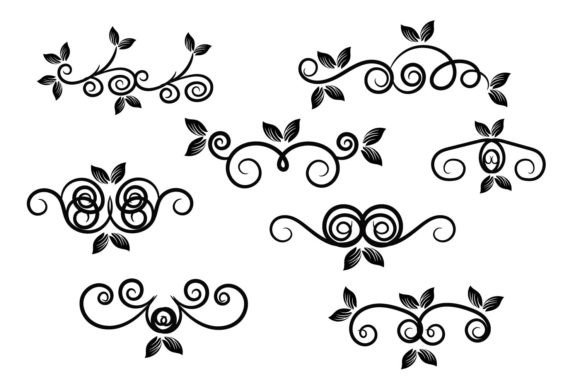
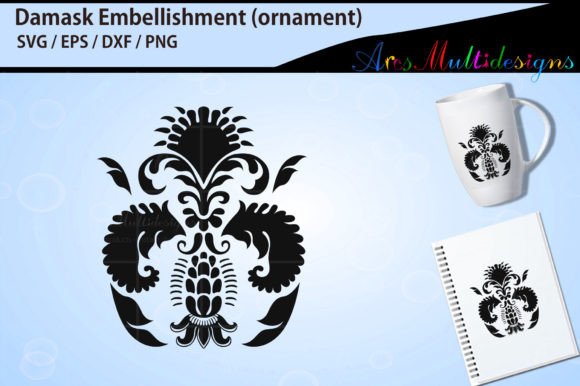
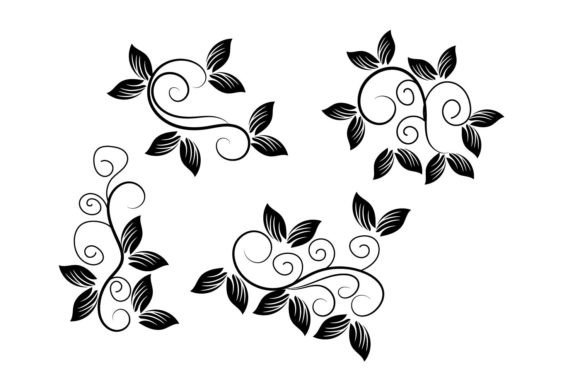
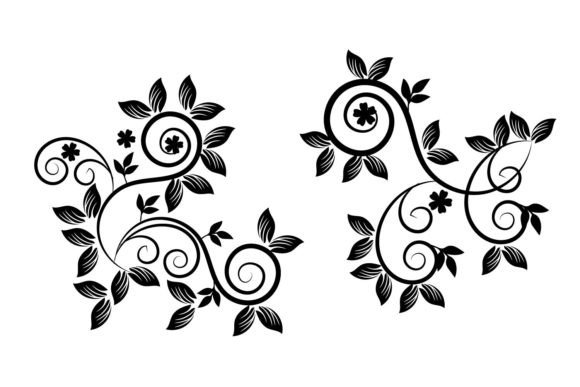
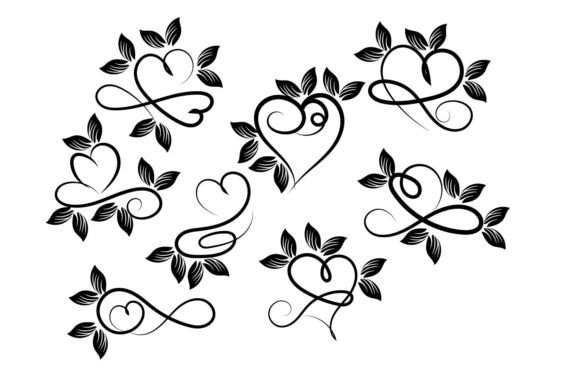
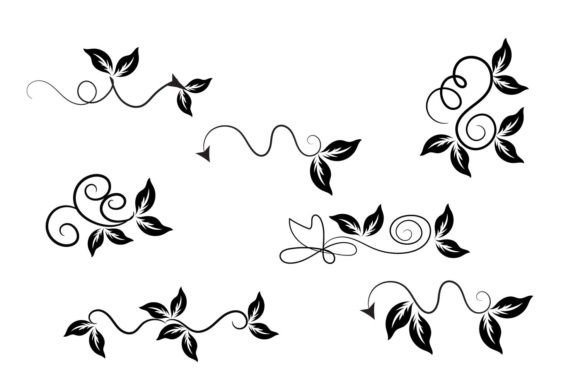
Opening the Baroque Floral Ornament Element file, I’m immediately struck by its rich, ornate detailing. The design feels like a piece of art that belongs on a 17th-century tapestry, but with a modern twist. Its intricate floral patterns and swirling vines suggest a sense of luxury and elegance, making it ideal for projects that demand a touch of sophistication.
The visual personality is classic yet versatile—perfect for adding a timeless appeal to handmade products. The level of detail is impressive, with delicate petals and flourishes that give the impression of hand-drawn precision. This makes it especially suitable for embroidered patches, tote bag designs, or even nursery decor.
Real-World Embroidery Performance
Let’s imagine using this design for a custom embroidered tote bag. As an embroidery designer, I’d start by considering how the Baroque Floral Ornament Element would translate onto fabric. The complexity of the pattern suggests that it works best on larger surfaces, such as sweatshirts, pillow covers, or aprons. On smaller items like caps or patches, the design might feel overwhelming unless simplified or scaled down carefully.
The use of satin stitch and fill stitch in the design gives it a polished look, which is great for handmade products that aim to stand out. However, when working with thin fabric or stretchy materials, extra attention should be given to stabilizer choice and hoop size to prevent distortion.
For custom apparel, this design could easily become a signature element, especially if paired with complementary thread colors. It has the potential to elevate simple garments into unique, high-value personalized gifts or small shop products.
Where Caution Is Needed
While the Baroque Floral Ornament Element is visually stunning, it's not without its challenges. For instance, using it on small hoop sizes could lead to a loss of detail or overcrowding of stitches. Similarly, applying it to dark fabric may require adjusting thread colors to ensure visibility and vibrancy.
Projects involving curved surfaces, like hats or cap embroidery, will need careful placement and possibly some reworking of the design to fit the contours. Additionally, dense stitch areas might require testing on scrap fabric first to avoid puckering or excessive tension.
If you're planning to use this design for commercial embroidery, make sure to review the stitch density and consider how it will hold up after multiple washes. A good stabilizer can make all the difference in ensuring the finished product remains crisp and professional.
Design Impact and Practical Considerations
The Baroque Floral Ornament Element brings a sense of refinement to any embroidered project. It adds value to handmade products and helps establish a cohesive brand identity for craft businesses or Etsy sellers. Customers are likely to appreciate the elegance it brings, especially for holiday gifts or wedding favors.
As a designer, I recommend testing this design on different fabric types before committing to a final product. Using black and white mockups can help assess how well the design translates across various backgrounds. Also, checking the thread color contrast is essential to maintain clarity and visual impact.
Before selling any finished item or digital product, confirm the licensing terms. While the Baroque Floral Ornament Element provides several file formats, including AI, EPS, PNG, SVG, and PDF, it's important to verify machine compatibility and hoop size requirements to ensure smooth execution.
Final Thoughts
The Baroque Floral Ornament Element is a strong addition to any embroidery designer’s toolkit. Its detailed aesthetic and versatility make it a great fit for a wide range of embroidery projects, from custom apparel to handmade gifts. With thoughtful planning and testing, this design can elevate your work and impress both clients and customers alike.
Whether you're a hobbyist or running a craft business, taking the time to understand how this design behaves in real-world scenarios will help you make the most of its artistic potential. As always, remember to test on scrap fabric, check stitch density, and ensure proper stabilization for the best results.